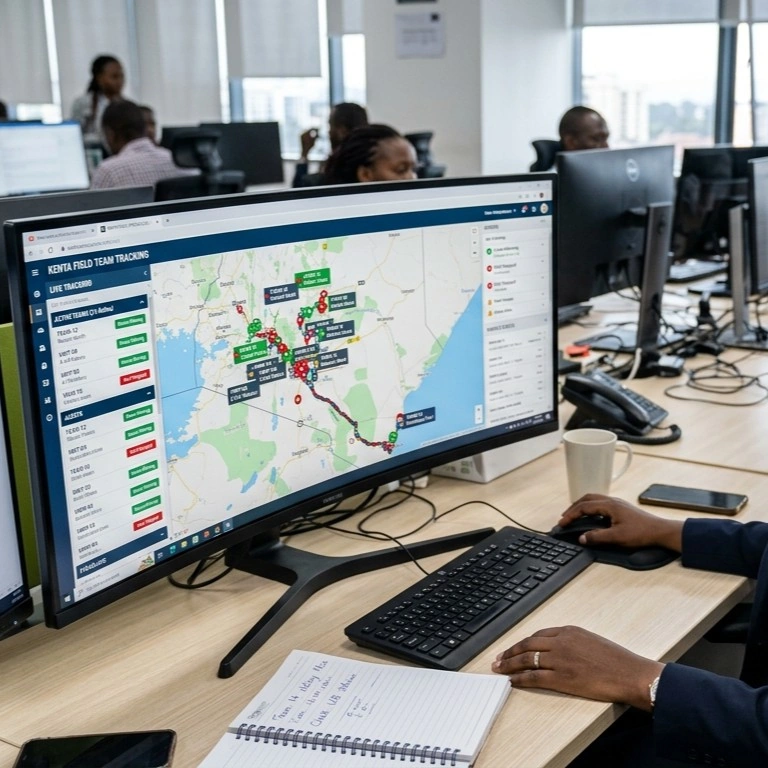
The field marketing industry in East Africa is undergoing a quiet revolution. While the headlines are dominated by digital and social media transformation, the most impactful changes for brand owners may be happening on the ground; in the technology that field marketing agencies are deploying to manage, measure, and optimise campaigns at scale.
Five years ago, most field marketing reporting in Kenya relied on paper-based daily activity sheets, manual photo submissions via WhatsApp, and weekly Excel reports compiled by supervisors. The lag between activity and insight was days or weeks by which time, the opportunity to intervene and improve had passed.
Today, the most sophisticated agencies like TopTouch Marketing are operating real-time field intelligence platforms that capture data point by point, stream it to cloud dashboards, and apply AI-driven analysis to identify patterns and anomalies that human reviewers would miss.
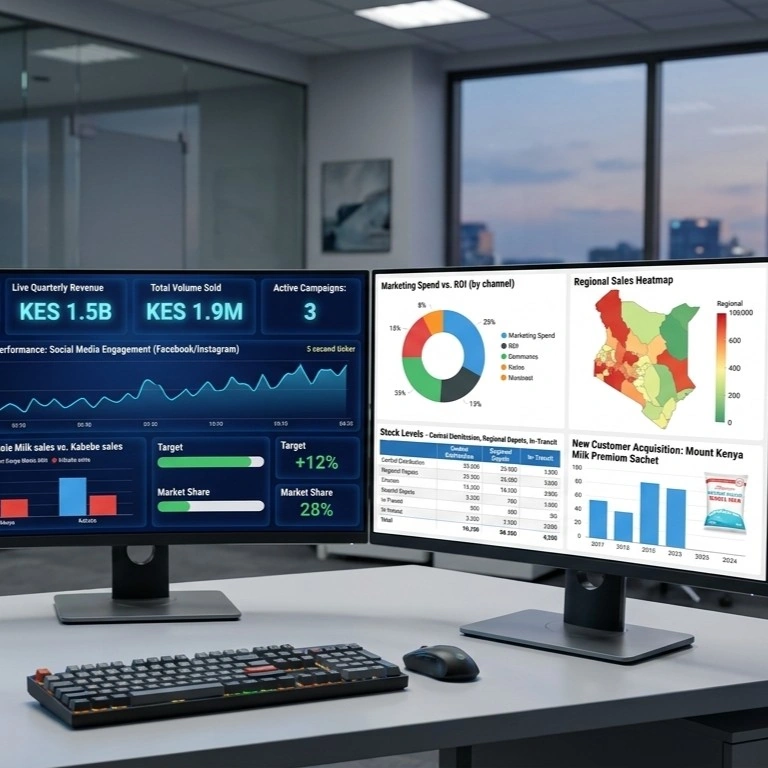
The practical applications of AI in field marketing are already delivering measurable value: anomaly detection that flags unusual drops in team activity or consumer engagement before they become problems; route optimisation that uses historical performance data and real-time traffic conditions to maximise productive time for merchandising teams; consumer sentiment analysis that processes open-ended survey responses from hundreds of activation sites to identify emerging perceptions about a brand; and predictive performance scoring that identifies which brand ambassadors are most likely to achieve target KPIs based on early-campaign data.
For marketing directors and brand managers, the implications are profound. The era of hoping your field marketing is working and finding out three weeks later that it wasn’t is ending. Real-time field intelligence means real-time accountability, faster decision-making, and ultimately, better returns on field marketing investment.