A product sitting in a warehouse is not a sale. Somewhere between the distributor’s loading bay and the shopkeeper’s shelf lies the last mile, the single most operationally complex and most commercially decisive stretch of any FMCG supply chain. In markets like Kenya, where general trade still accounts for the overwhelming majority of retail transactions, getting the last mile right is often the difference between a brand that is available and a brand that is merely distributed on paper.
Distributors move volume in bulk. What happens after that- who visits which duka, kiosk, or wholesaler, how often, and whether that visit results in an order- is where most FMCG volume is actually won or lost. A brand can have a perfectly designed distribution strategy on a spreadsheet and still fail at retail if the last-mile execution behind it is inconsistent.
Outlet coverage numbers look impressive in a boardroom, ‘we mapped 7,000 outlets’, but coverage alone says nothing about conversion. What matters is how many of those outlets are actually ordering, how often, and whether that translates into sustained numeric and weighted distribution. The most effective last mile programmes track productivity (the percentage of calls that convert to an order) as closely as they track raw coverage.
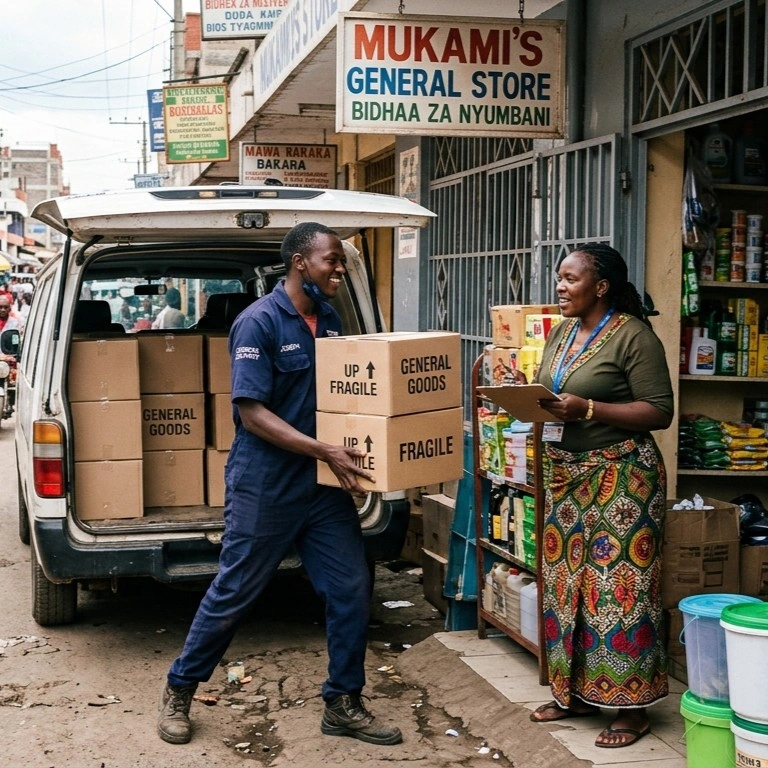
An effective route-to-market plan segments outlets by type and potential, builds realistic call cycles around geography and travel time, and matches the right sales channel- van sales, motorbike reps, foot teams- to the right outlet density. A route built for an urban CBD does not work in a peri-urban trading centre, and treating them identically is one of the most common reasons last mile programmes underperform.
Modern last mile distribution runs on data, not memory. GPS-verified call logs, real-time order capture, and live productivity dashboards mean brand teams no longer have to wait for a monthly summary to know whether a route is working. At TopTouch, our last mile teams operate on the same field intelligence platform used across our merchandising and activation divisions, giving every client a single, consistent view of field performance.
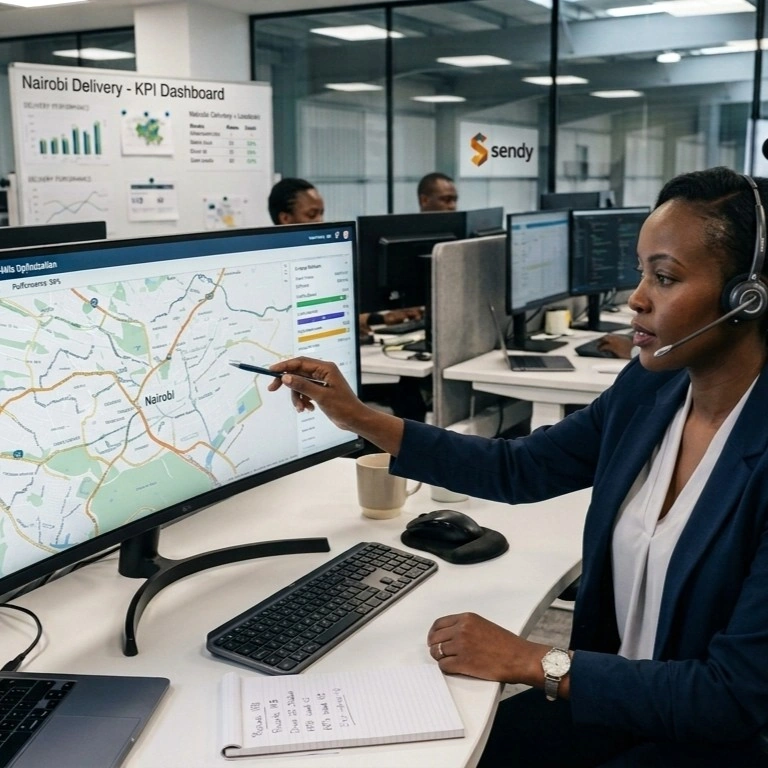
Not every agency that offers ‘distribution support’ can actually run a disciplined route-to-market programme at scale. Look for a partner who can demonstrate structured call cycles, transparent productivity reporting, trained and supervised reps (not just warm bodies with product), and a track record of hitting coverage and volume targets in comparable categories.